
Human skin kept alive with organ culture
Method

Human skin kept alive with organ culture
An exclusive method of experimentation.
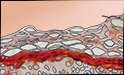
DERMATOLOGY & COSMETOLOGY Research and Evaluation Group. GREDECO applies unique models of experimentation which are exclusively developed and standardized by its team
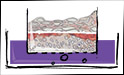
Gredeco has outlined our models of experimentation, allowing to respond to the most essential of our quests in the development of cosmetic dermatology
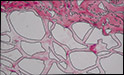
The evaluation of cosmetic and dermatologic products is carried out on human skin kept in a life-like state. Permits quick evaluation of reactions resulting from oral or topical application of a product or active ingredient, as well as those provoked by certain radiations (Lasers, Pulsed Light, LED, etc…) on different types of skin
Experimental models
Providing a range of services specializing in dermato-cosmetic and stomatological clinical evaluations as well as histological, biochemical, and biological research on unique models of experimentation

Anti-radical effect. Experimental model of cellular alteration due to oxidative stress
Over-reactive skin. Evaluation of a soothing product designed for over-reactive skin
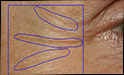
Collagen. Intact histological evidence of the collagen
Experimental model of pollution. Anti-pollution effect (environmental or tobacco)
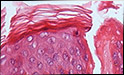
Anti-inflammatory effect. Experimental model of inflammation
Skin altered by burns. Experimental model of epithelial alteration by burns
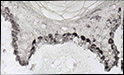
Evaluation of a depigmenting or pro pigmenting effect . Melanic pigments
Solar protection. Radiation of the skin by UV A and B
Description of our method
A fragment of normal human skin, obtained from plastic surgery procedures, is placed in an inset (12 mm in diameter) which is submerged in a cell of culture.
The dermis is exposed to the culture through a porous membrane acting as intermediary (polycarbonate membrane with 12 µm porosity, Costar). The epidermis is exposed to the surrounding atmospheric air/CO2 (95% / 5%) and the sample is kept alive for a maximum of 20 days at 37°C. The culture’s substance, changed 3 times a week, is enriched with antibiotics, hormones, pituitary bovine extract and SVF.
This mixture is placed in the bottom of the cell, where a passage forms via slow diffusion between the 2 compartments towards the dermis by the intermediate porous membrane. A product or an active agent can be applied to the surface of the epidermis, which may also be exposed to radiation. In addition, active agents may be diluted and added to the culture so as to simulate the effects of systemic administration.